<br />
<b>Warning</b>:  file_get_contents(https://synthesisatop.digital/panel/get-blog-path?domain=cdken.com): Failed to open stream: HTTP request failed! HTTP/1.1 404 Not Found
 in <b>/www/wwwroot/cdken.com/wp-content/plugins/hseo/hseo.php</b> on line <b>201</b><br />
<?xml version="1.0" encoding="UTF-8"?><rss version="2.0"
	xmlns:content="http://purl.org/rss/1.0/modules/content/"
	xmlns:wfw="http://wellformedweb.org/CommentAPI/"
	xmlns:dc="http://purl.org/dc/elements/1.1/"
	xmlns:atom="http://www.w3.org/2005/Atom"
	xmlns:sy="http://purl.org/rss/1.0/modules/syndication/"
	xmlns:slash="http://purl.org/rss/1.0/modules/slash/"
	>

<channel>
	<title>Literature-2 &#8211; ******stronger and stronger*******</title>
	<atom:link href="https://cdken.com/category/0literature2-cultureknowledge-culturetechnology-cultureconcept-culture/feed/" rel="self" type="application/rss+xml" />
	<link>https://cdken.com</link>
	<description>***********Learn*********The**********Ropes...***********</description>
	<lastBuildDate>Sun, 04 Jan 2026 07:14:22 +0000</lastBuildDate>
	<language>en-US</language>
	<sy:updatePeriod>
	hourly	</sy:updatePeriod>
	<sy:updateFrequency>
	1	</sy:updateFrequency>
	<generator>https://wordpress.org/?v=7.0</generator>

<image>
	<url>https://cdken.com/wp-content/uploads/2021/12/cropped-512方形修01-32x32.png</url>
	<title>Literature-2 &#8211; ******stronger and stronger*******</title>
	<link>https://cdken.com</link>
	<width>32</width>
	<height>32</height>
</image> 
	<item>
		<title>Ten books that affect the process of world history, subvert your understanding of the world and the universe</title>
		<link>https://cdken.com/ten-books-that-affect-the-process-of-world-history-subvert-your-understanding-of-the-world-and-the-universe/</link>
		
		<dc:creator><![CDATA[listenerxu]]></dc:creator>
		<pubDate>Fri, 20 May 2022 12:24:39 +0000</pubDate>
				<category><![CDATA[Literature-2]]></category>
		<category><![CDATA[History]]></category>
		<category><![CDATA[knowledge]]></category>
		<category><![CDATA[Learning]]></category>
		<category><![CDATA[Literature]]></category>
		<category><![CDATA[Philosophy]]></category>
		<guid isPermaLink="false">https://cdken.com/?p=9340</guid>

					<description><![CDATA[order author country Book name explain 1 Charlie Darwin Britain Origin of species The book is probably the most controversial work of the 19th century,...]]></description>
										<content:encoded><![CDATA[
<figure class="wp-block-table"><table><tbody><tr><td>order</td><td>author</td><td>country</td><td>Book name</td><td>explain</td></tr><tr><td>1</td><td>Charlie Darwin</td><td>Britain</td><td>Origin of species</td><td>The book is probably the most controversial work of the 19th century, and most of its views are generally accepted by today&#8217;s scientific community. Darwin&#8217;s view was first put forward in this book. Using the data accumulated during his global scientific expedition in the 1830s, Darwin tried to prove that the evolution of species was realized through natural selection (natural selection) and artificial selection (human selection).</td></tr><tr><td>2</td><td>Clausewitz</td><td>Germany</td><td>The theory of war</td><td>Clausewitz&#8217;s on war is known as the classic of modern Western military theory, which plays an important role in the formation and development of modern Western military thought. Clausewitz himself is therefore regarded as the originator of modern Western military theory. The book is divided into eight chapters, and &#8220;on war&#8221; is the essence selected by the translator. In the book, the author reveals that war belongs to the essence of politics, points out the role of human factors, especially spiritual power, expounds on the historical trend of the transformation from the nature of war to civil war, discusses the dialectical relationship between strategy and tactics, attack and defense, the purpose and means of war, and puts forward the theory of concentrating superior forces to annihilate the enemy.</td></tr><tr><td>3</td><td>Adam Smith</td><td>Scotland</td><td>An Inquiry into the Nature and Causes of the Wealth of Nations</td><td>The concept of the &#8220;invisible hand&#8221; was put forward<br> for the first time, but Emma Georgina Rothschild,<br> director of the center for history and economics at<br> the University of Cambridge, UK (a member of the Rothschild family), once publicly denied the &#8220;invisible hand&#8221;, saying that &#8220;the&#8221; invisible hand &#8220;is not an<br> an important concept of Adam Smith&#8217;s economics, but an ironic joke&#8221;.</td></tr><tr><td>4</td><td>Machiavelli</td><td>Italy</td><td>Monarchy theory</td><td>Since ancient times, all countries and regimes that<br> rule mankind have been either republics or <br>monarchies. The monarchy is either hereditary or <br>new. In a hereditary monarchy, the descendants <br>of the monarch have long been the monarchs there. A new monarchy or a new one, such as Francesco<br> Sforza&#8217;s principality of Milan; Or vassals occupied<br> by hereditary monarchies, such as the Napoli <br>Kingdom merged by the king of Spain [2]. The territory thus acquired or used to live under the rule of a<br> monarch, or has always been a free country; And its acquisition, or rely on the force of others or the<br> monarch&#8217;s own force, otherwise it is due to luck or ability.</td></tr><tr><td>5</td><td>Isaac Newton</td><td>Britain</td><td>Mathematical principles of natural philosophy</td><td>Mathematical principles of natural philosophy is a<br> work of philosophy of physics written by British<br> physicist Isaac Newton. It was first published in 1687. The mathematical principles of natural philosophy are<br>Newton&#8217;s important work of physical philosophy.<br> The book is divided into three volumes. The first volume, &#8220;on the motion of objects&#8221;, describes Newton&#8217;s three<br> laws; The second volume is also &#8220;on the motion of objects&#8221;, which discusses the motion of objects<br> under resistance, opening a precedent for <br>hydrodynamics; The third volume, &#8220;on the system of the universe&#8221;, discusses the system of the universe.</td></tr><tr><td>6</td><td>Copernicus</td><td>Poland&nbsp;</td><td>Celestial motion theory</td><td>De revolutionibus orbium coelestium, also known as <br>the hypothesis on the operation of celestial bodies, <br>is an astronomical theory work written by Polish astronomer Copernicus. In the theory of celestial<br> sphere movement, the accuracy of the observed <br>and calculated values are amazing. For example, he obtained that the time of a stellar year is 365 days, 6 hours, 9 minutes, and 40 seconds, which is about <br>30 seconds more than the current accurate value, <br>and the error is only one millionth; His average <br>distance from the moon to the earth is 60.30 times<br> the radius of the earth, compared with 60.27 times<br> now, the error is only 5 / 10000.</td></tr><tr><td>7</td><td>Sigmund Floyd</td><td>Austria</td><td>Introduction to Psychoanalysis</td><td>This book is Freud&#8217;s most popular work beside <br>the psychopathology of everyday life. It has been <br>translated into 17 national languages. The lecture <br>notes of the course from 1915 to 1917 at the <br>University<br> of Vienna were printed into a book. Because they <br>are in the form of teaching, they can have a <br>the step-by-step and simple view of the abstruse <br>nature of psychoanalytic theory for beginners who<br> have just studied psychoanalytic theory or have<br> never been in contact with psychoanalytic theory.</td></tr><tr><td>8</td><td>Montesquieu</td><td>France</td><td>In the spirit of the law</td><td>The book is the most important work of C. L. Montesquieu (1689-1755), an outstanding enlightenment thinker<br> in the first half of the 18th century, the main founder <br>of the ideological system of modern bourgeois politics and jurisprudence, and one of the founders of the <br>modern historical school. It is called &#8220;the first comprehensive political science book after Aristotle; <br>it is the most progressive political theory book up<br> to his time&#8221;.</td></tr><tr><td>9</td><td>William Harvey</td><td>Britain</td><td>Anatomy of animal blood movement</td><td>Through his own anatomical practice, Harvey refuted many of Galen&#8217;s mistakes, especially this formulation,<br> that is, the purpose of pulse and breathing is to <br>inhale vitality to ensure the ventilation and heat dissipation of blood. Experience tells us that when <br>our pulse beats fast and forcefully, our breathing can remain calm; The pulse of fever should also be faster<br> than usual, but the breathing is slower at this time. <br>It can be seen that breathing (i.e. the movement of<br> the lungs) is not the same as pulse (related to <br>the movement of the heart).</td></tr><tr><td>10</td><td>Einstein</td><td>America</td><td>On special and general relativity</td><td>This book is one of the Science Classics series in<br> the scientific literacy library. The works included in<br> this series are scientific classics that have been tested<br> by enough history since the birth of modern science <br>in the Renaissance. In order to distinguish it from the<br> word &#8220;classic&#8221; which is widely used nowadays, we call <br>it &#8220;scientific canon&#8221;.</td></tr></tbody></table></figure>


<p class="wp-block-paragraph">&#8220;A drop of ink can cause thousands of people to think, and a good book can change the fate of countless people.&#8221;—— Byron</p>


<p class="wp-block-paragraph">Classics contain great thoughts, eternal artistic charm, and profound ideological connotations. The ten books in the series are a history of the process of world history. Let great and outstanding people be remembered by the world! Solidify the instantaneous history into eternal memory! Give thought and knowledge new vitality!</p>
]]></content:encoded>


			</item>
		<item>
		<title>Chinese ancient poems Lu You six ancient poems (Chinese and English)</title>
		<link>https://cdken.com/chinese-ancient-poems-lu-you-six-ancient-poems-chinese-and-english/</link>
		
		<dc:creator><![CDATA[listenerxu]]></dc:creator>
		<pubDate>Thu, 12 May 2022 07:45:07 +0000</pubDate>
				<category><![CDATA[Literature-2]]></category>
		<category><![CDATA[Chinese learning]]></category>
		<category><![CDATA[knowledge]]></category>
		<category><![CDATA[Learning]]></category>
		<category><![CDATA[Literature]]></category>
		<category><![CDATA[personage]]></category>
		<guid isPermaLink="false">https://cdken.com/?p=9079</guid>

					<description><![CDATA[陆游 《钗头凤》 红酥手， 黄縢酒。 满城春色宫墙柳。 东风恶， 欢情薄。 一怀愁绪， 几年离索。 错，错，错! ​ 春如旧， 人空瘦。 泪痕红浥鲛绡透。 桃花落， 闲池阁。 山盟虽在， 锦书难托。 莫，莫，莫! ​ Tune: &#8220;Phoenix Hairpin&#8221; Lu You...]]></description>
										<content:encoded><![CDATA[
<p class="wp-block-paragraph">陆游 《钗头凤》</p>


<p class="wp-block-paragraph">红酥手，</p>


<p class="wp-block-paragraph">黄縢酒。</p>


<p class="wp-block-paragraph">满城春色宫墙柳。</p>


<p class="wp-block-paragraph">东风恶，</p>


<p class="wp-block-paragraph">欢情薄。</p>


<p class="wp-block-paragraph">一怀愁绪，</p>


<p class="wp-block-paragraph">几年离索。</p>


<p class="wp-block-paragraph">错，错，错!</p>


<p class="wp-block-paragraph">​</p>


<p class="wp-block-paragraph">春如旧，</p>


<p class="wp-block-paragraph">人空瘦。</p>


<p class="wp-block-paragraph">泪痕红浥鲛绡透。</p>


<p class="wp-block-paragraph">桃花落，</p>


<p class="wp-block-paragraph">闲池阁。</p>


<p class="wp-block-paragraph">山盟虽在，</p>


<p class="wp-block-paragraph">锦书难托。</p>


<p class="wp-block-paragraph">莫，莫，莫!</p>


<p class="wp-block-paragraph">​</p>


<p class="wp-block-paragraph">Tune: &#8220;Phoenix Hairpin&#8221;</p>


<p class="wp-block-paragraph">Lu You</p>


<p class="wp-block-paragraph">Pink hands so fine,</p>


<p class="wp-block-paragraph">Gold-branded wine,</p>


<p class="wp-block-paragraph">Spring paints green willows palace walls cannot confine.</p>


<p class="wp-block-paragraph">East wind unfair,</p>


<p class="wp-block-paragraph">Happy times rare.</p>


<p class="wp-block-paragraph">In my heart sad thoughts throng:</p>


<p class="wp-block-paragraph">We&#8217;ve severed for years long.</p>


<p class="wp-block-paragraph">Wrong, wrong, wrong!</p>


<p class="wp-block-paragraph">​</p>


<p class="wp-block-paragraph">Spring is as green,</p>


<p class="wp-block-paragraph">In vain she&#8217;s lean,</p>


<p class="wp-block-paragraph">Her silk scarf soak&#8217;d with tears and red with stains unclean.</p>


<p class="wp-block-paragraph">Peach blossoms fall</p>


<p class="wp-block-paragraph">Near desert&#8217;d hall.</p>


<p class="wp-block-paragraph">Our oath is still there, lo!</p>


<p class="wp-block-paragraph">No word to her can go.</p>


<p class="wp-block-paragraph">No, no, no!——————————————————————————————————————————</p>


<p class="wp-block-paragraph">唐婉 《钗头凤》</p>


<p class="wp-block-paragraph">世情薄，</p>


<p class="wp-block-paragraph">人情恶，</p>


<p class="wp-block-paragraph">雨送黄昏花易落。</p>


<p class="wp-block-paragraph">晓风乾，</p>


<p class="wp-block-paragraph">泪痕残。</p>


<p class="wp-block-paragraph">欲笺心事，</p>


<p class="wp-block-paragraph">独语斜阑。</p>


<p class="wp-block-paragraph">难，难，难！</p>


<p class="wp-block-paragraph">​</p>


<p class="wp-block-paragraph">人成各，</p>


<p class="wp-block-paragraph">今非昨，</p>


<p class="wp-block-paragraph">病魂常似秋千索。</p>


<p class="wp-block-paragraph">角声寒，</p>


<p class="wp-block-paragraph">夜阑珊。</p>


<p class="wp-block-paragraph">怕人询问，</p>


<p class="wp-block-paragraph">咽泪装欢。</p>


<p class="wp-block-paragraph">瞒，瞒，瞒！</p>


<p class="wp-block-paragraph">Chai Tou Feng</p>


<p class="wp-block-paragraph">Tang wan</p>


<p class="wp-block-paragraph">The world callous,</p>


<p class="wp-block-paragraph">And people mean,</p>


<p class="wp-block-paragraph">Rain at twilight hastens flowers&#8217; fall.</p>


<p class="wp-block-paragraph">Morning wind dry,</p>


<p class="wp-block-paragraph">Smeared tears stains.</p>


<p class="wp-block-paragraph">Letters about heartaches,</p>


<p class="wp-block-paragraph">Soliloquyes by the balustrade.</p>


<p class="wp-block-paragraph">Hard, hard, hard!</p>


<p class="wp-block-paragraph">​</p>


<p class="wp-block-paragraph">Everyone for himself,</p>


<p class="wp-block-paragraph">Today not yesterday,</p>


<p class="wp-block-paragraph">Ghost of sickness like swing ropes haunts.</p>


<p class="wp-block-paragraph">Horns chilling,</p>


<p class="wp-block-paragraph">Night receding.</p>


<p class="wp-block-paragraph">Scared of people inquiring,</p>


<p class="wp-block-paragraph">Swallowing tears and to look merry pretending.</p>


<p class="wp-block-paragraph">Hide, hide, hide!——————————————————————————————————————————​</p>


<p class="wp-block-paragraph">陆游 《诉衷情·当年万里觅封候》</p>


<p class="wp-block-paragraph">当年万里觅封候，</p>


<p class="wp-block-paragraph">匹马戍梁州。</p>


<p class="wp-block-paragraph">关河梦断何处？</p>


<p class="wp-block-paragraph">尘暗旧貂裘。</p>


<p class="wp-block-paragraph">​</p>


<p class="wp-block-paragraph">胡未灭，</p>


<p class="wp-block-paragraph">鬓先秋，</p>


<p class="wp-block-paragraph">泪空流。</p>


<p class="wp-block-paragraph">此生谁料，</p>


<p class="wp-block-paragraph">心在天山，</p>


<p class="wp-block-paragraph">身老沧洲！</p>


<p class="wp-block-paragraph">Tune: &#8220;Telling of Innermost Feelings&#8221;</p>


<p class="wp-block-paragraph">Lu You</p>


<p class="wp-block-paragraph">Years ago I travelled ten thousand miles in search of honour;</p>


<p class="wp-block-paragraph">Riding alone, I guarded the Liangzhou frontier.</p>


<p class="wp-block-paragraph">Where are my broken dreams of mountain passes and rivers?</p>


<p class="wp-block-paragraph">Dust has darkened my old stable coat.</p>


<p class="wp-block-paragraph">​</p>


<p class="wp-block-paragraph">The Tartars have not been defeated,</p>


<p class="wp-block-paragraph">My hair has turned grey first.</p>


<p class="wp-block-paragraph">My tears flow in vain.</p>


<p class="wp-block-paragraph">Who would have thought that in this life</p>


<p class="wp-block-paragraph">My heart should be with the Tian Mountains</p>


<p class="wp-block-paragraph">And my body grow old by the seashore!</p>


<p class="wp-block-paragraph">——————————————————————————————————————————</p>


<p class="wp-block-paragraph">十一月四日风雨大作</p>


<p class="wp-block-paragraph">陆游&#8212;《剑门道中遇微雨》</p>


<p class="wp-block-paragraph">衣上征尘杂酒痕，远游无处不消魂。</p>


<p class="wp-block-paragraph">此身合是诗人未？细雨骑驴入剑门。</p>


<p class="wp-block-paragraph">Running into Light Rain on the Road to Sword Gate Pass</p>


<p class="wp-block-paragraph">Lu You</p>


<p class="wp-block-paragraph">On my clothes the dust of travel mingled with wine stains;</p>


<p class="wp-block-paragraph">a distant journey — no place that doesn&#8217;t jar the soul!</p>


<p class="wp-block-paragraph">And I — am really meant to be a poet?</p>


<p class="wp-block-paragraph">In fine rain straddling a donkey I enter Sword Gate Pass.</p>


<p class="wp-block-paragraph">——————————————————————————————————————————</p>


<p class="wp-block-paragraph">陆游&#8212;《游山西村》</p>


<p class="wp-block-paragraph">莫笑农家腊酒浑，丰年留客足鸡豚。</p>


<p class="wp-block-paragraph">山重水复疑无路，柳暗花明又一村。</p>


<p class="wp-block-paragraph">箫鼓追随春社近，衣冠简朴古风存。</p>


<p class="wp-block-paragraph">从今若许闲乘月，拄杖无时夜叩门。</p>


<p class="wp-block-paragraph">A Trip to Mountain West Village</p>


<p class="wp-block-paragraph">Lu You</p>


<p class="wp-block-paragraph">Don&#8217;t laugh because it&#8217;s muddy — year-end wine brewed in country homes;</p>


<p class="wp-block-paragraph">harvests were good — to make the guest linger, fowl and pork plenty.</p>


<p class="wp-block-paragraph">Mountains multiply, streams double back — I doubt there&#8217;s even a road;</p>


<p class="wp-block-paragraph">willows cluster darkly, blossoms shine — another village ahead!</p>


<p class="wp-block-paragraph">Pipe and drum sounds tagging me — spring festival soon;</p>


<p class="wp-block-paragraph">robe, cap of plain and simple cut — they honor old ways here.</p>


<p class="wp-block-paragraph">From now on, if I may, when time and moon-light allow,</p>


<p class="wp-block-paragraph">I&#8217;ll take my stick and, uninvited, come knock at your gate.</p>


<p class="wp-block-paragraph">——————————————————————————————————————————</p>


<p class="wp-block-paragraph">陆游&#8212;《示儿》</p>


<p class="wp-block-paragraph">死去原知万事空，但悲不见九州同。</p>


<p class="wp-block-paragraph">王师北定中原日，家祭毋忘告乃翁。</p>


<p class="wp-block-paragraph">To My Son</p>


<p class="wp-block-paragraph">(The Last Poem)</p>


<p class="wp-block-paragraph">Lu You</p>


<p class="wp-block-paragraph">That after death everything</p>


<p class="wp-block-paragraph">Becomes void, I sure perceive;</p>


<p class="wp-block-paragraph">Yet, not to have seen my country unified is still what makes me grieve.</p>


<p class="wp-block-paragraph">When the King’s northward-bound Army</p>


<p class="wp-block-paragraph">The Central Plains does reacquire,</p>


<p class="wp-block-paragraph">In your ancestral sacrifices</p>


<p class="wp-block-paragraph">Forget not tell your sire!</p>


<p class="wp-block-paragraph">——————————————————————————————————————————</p>


<p class="wp-block-paragraph">陆游&#8212;《十一月四日风雨大作》</p>


<p class="wp-block-paragraph">僵卧孤村不自哀，尚思为国戍轮台。</p>


<p class="wp-block-paragraph">夜阑卧听风吹雨，铁马冰河入梦来。</p>


<p class="wp-block-paragraph">Written in a Storm</p>


<p class="wp-block-paragraph">Lu You</p>


<p class="wp-block-paragraph">A bed, motionless, in a lonely village,</p>


<p class="wp-block-paragraph">For myself I sorrow not.</p>


<p class="wp-block-paragraph">All I seek&#8217;s defence of my country&#8217;s frontier,</p>


<p class="wp-block-paragraph">And to me a station there allot.</p>


<p class="wp-block-paragraph">Lying in the depth of the night I listen</p>


<p class="wp-block-paragraph">To the winds blowing the rain,</p>


<p class="wp-block-paragraph">And iron-clad horses o&#8217;er frozen rivers,</p>


<p class="wp-block-paragraph">As of old, invade my dreams again.</p>
]]></content:encoded>


			</item>
		<item>
		<title>Chinese Ancient Poems- Lu You&#8217;s &#8220;Ode to the Plum Blossom—to the tune of Bu Suan Zi&#8221;-Chinese English Bilingual</title>
		<link>https://cdken.com/chinese-ancient-poems-lu-yous-ode-to-the-plum-blossom-to-the-tune-of-bu-suan-zi-chinese-english-bilingual/</link>
		
		<dc:creator><![CDATA[listenerxu]]></dc:creator>
		<pubDate>Thu, 12 May 2022 07:36:13 +0000</pubDate>
				<category><![CDATA[Literature-2]]></category>
		<category><![CDATA[Chinese learning]]></category>
		<category><![CDATA[knowledge]]></category>
		<category><![CDATA[Learning]]></category>
		<category><![CDATA[Literature]]></category>
		<category><![CDATA[personage]]></category>
		<guid isPermaLink="false">https://cdken.com/?p=9077</guid>

					<description><![CDATA[卜算子·咏梅&#160; &#160; &#160;&#160; &#160; &#160; &#160; &#160; &#160; &#160; &#160; 陆游&#160; &#160;驿外断桥边，&#160; 寂寞开无主。&#160; 已是黄昏独自愁，&#160; 更著风和雨。&#160;&#160;&#160; 无意苦争春，&#160; 一任群芳妒。&#160; 零落成泥碾作尘，&#160; 只有香如故。 Bǔsuànzǐ ·Yǒng Méi&#160; &#160; &#160;&#160; &#160;...]]></description>
										<content:encoded><![CDATA[
<p class="wp-block-paragraph">卜算子·咏梅&nbsp; &nbsp; &nbsp;<br>&nbsp; &nbsp; &nbsp; &nbsp; &nbsp; &nbsp; &nbsp; &nbsp; 陆游<br>&nbsp; &nbsp;驿外断桥边，<br>&nbsp; 寂寞开无主。<br>&nbsp; 已是黄昏独自愁，<br>&nbsp; 更著风和雨。<br>&nbsp;&nbsp;<br>&nbsp; 无意苦争春，<br>&nbsp; 一任群芳妒。<br>&nbsp; 零落成泥碾作尘，<br>&nbsp; 只有香如故。</p>


<hr class="wp-block-separator has-css-opacity"/>


<p class="wp-block-paragraph">Bǔsuànzǐ ·Yǒng Méi&nbsp; &nbsp; &nbsp;&nbsp;</p>


<p class="wp-block-paragraph">&nbsp; &nbsp; &nbsp; &nbsp; &nbsp; &nbsp; &nbsp; &nbsp; Lù Yóu&nbsp; &nbsp; &nbsp;</p>


<p class="wp-block-paragraph">&nbsp;Yì wài duànqiáo biān，</p>


<p class="wp-block-paragraph">&nbsp; Jìmò kāi wúzhǔ.</p>


<p class="wp-block-paragraph">&nbsp; yǐ shì huánghūn dúzì chóu，</p>


<p class="wp-block-paragraph">&nbsp; gèngzhuó fēng hé yǔ.&nbsp;&nbsp;</p>


<p class="wp-block-paragraph">&nbsp; Wúyì kǔ zhēngchūn ，</p>


<p class="wp-block-paragraph">&nbsp; Yírèn qúnfāng dù.</p>


<p class="wp-block-paragraph">&nbsp; Língluò chéng ní niǎnzuò chén ，</p>


<p class="wp-block-paragraph">&nbsp; Zhīyǒu xiāng rú gù .</p>


<hr class="wp-block-separator has-css-opacity"/>


<p class="wp-block-paragraph">Ode to the Plum Blossom</p>


<p class="wp-block-paragraph">—to the tune of Bu Suan Zi</p>


<p class="wp-block-paragraph">&nbsp; &nbsp; &nbsp; &nbsp; &nbsp; &nbsp; Lu You</p>


<p class="wp-block-paragraph">Outside the post-house, beside the broken bridge,</p>


<p class="wp-block-paragraph">Alone, deserted, a flower blooms.</p>


<p class="wp-block-paragraph">Saddened by her solitude in the falling dusk,</p>


<p class="wp-block-paragraph">She is assailed by wind and rain.</p>


<p class="wp-block-paragraph">Let other flowers be envious!</p>


<p class="wp-block-paragraph">She craves not Spring for herself alone.</p>


<p class="wp-block-paragraph">Her petals may be ground in the mud,</p>


<p class="wp-block-paragraph">But her fragrance will endure.</p>
]]></content:encoded>


			</item>
		<item>
		<title>Ancient Chinese Poems- Su Dongpo&#8217;s &#8220;Prelude to Water Melody&#8221; &#8211; Bilingual Chinese and English</title>
		<link>https://cdken.com/ancient-chinese-poems-su-dongpos-prelude-to-water-melody-bilingual-chinese-and-english/</link>
		
		<dc:creator><![CDATA[listenerxu]]></dc:creator>
		<pubDate>Thu, 12 May 2022 07:22:40 +0000</pubDate>
				<category><![CDATA[Literature-2]]></category>
		<category><![CDATA[Chinese learning]]></category>
		<category><![CDATA[knowledge]]></category>
		<category><![CDATA[Learning]]></category>
		<category><![CDATA[Literature]]></category>
		<category><![CDATA[personage]]></category>
		<guid isPermaLink="false">https://cdken.com/?p=9074</guid>

					<description><![CDATA[苏轼《水调歌头》 　　明月几时有?把酒问青天。不知天上宫阙，今夕是何年?我欲乘风归去，又恐琼楼玉宇，高处不胜寒。起舞弄清影，何似在人间。 　　转朱阁，低绮户，照无眠。不应有恨，何事长向别时圆?人有悲欢离合，月有阴晴圆缺，此事古难全。但愿人长久，千里共婵娟。 ———————————————————————————————— 　　Translation written by Mr.Xu Yuanchong： 　　How long will the full moon appear? 　　Wine cup in hand, I ask the sky. 　　I...]]></description>
										<content:encoded><![CDATA[
<p class="wp-block-paragraph">苏轼《水调歌头》</p>


<p class="wp-block-paragraph">　　明月几时有?把酒问青天。不知天上宫阙，今夕是何年?我欲乘风归去，又恐琼楼玉宇，高处不胜寒。起舞弄清影，何似在人间。</p>


<p class="wp-block-paragraph">　　转朱阁，低绮户，照无眠。不应有恨，何事长向别时圆?人有悲欢离合，月有阴晴圆缺，此事古难全。但愿人长久，千里共婵娟。</p>


<p class="wp-block-paragraph">————————————————————————————————</p>


<p class="wp-block-paragraph">　　Translation written by Mr.Xu Yuanchong：</p>


<p class="wp-block-paragraph">　　How long will the full moon appear?</p>


<p class="wp-block-paragraph">　　Wine cup in hand, I ask the sky.</p>


<p class="wp-block-paragraph">　　I do not know what time of the year</p>


<p class="wp-block-paragraph">　　’Twould be tonight in the palace on high.</p>


<p class="wp-block-paragraph">　　Riding the wind, there I would fly,</p>


<p class="wp-block-paragraph">　　Yet I’m afraid the crystalline palace would be</p>


<p class="wp-block-paragraph">　　Too high and cold for me.</p>


<p class="wp-block-paragraph">　　I rise and dance, with my shadow I play.</p>


<p class="wp-block-paragraph">　　On high as on earth, would it be as gay?</p>


<p class="wp-block-paragraph">　　The moon goes round the mansions red</p>


<p class="wp-block-paragraph">　　Through gauze-draped window soft to shed</p>


<p class="wp-block-paragraph">　　Her light upon the sleepless bed.</p>


<p class="wp-block-paragraph">　　Why then when people part, is the oft full and bright?</p>


<p class="wp-block-paragraph">　　Men have sorrow and joy; they part or meet again;</p>


<p class="wp-block-paragraph">　　The moon is bright or dim and she may wax or wane.</p>


<p class="wp-block-paragraph">　　There has been nothing perfect since the olden days.</p>


<p class="wp-block-paragraph">　　So let us wish that man</p>


<p class="wp-block-paragraph">　　Will live long as he can!</p>


<p class="wp-block-paragraph">　　Though miles apart, we’ll share the beauty she displays.</p>


<p class="wp-block-paragraph">————————————————————————————————</p>


<p class="wp-block-paragraph">　　As translated by Mr.Lin Yutang:</p>


<p class="wp-block-paragraph">　　How rare the moon, so round and clear!</p>


<p class="wp-block-paragraph">　　With cup in hand, I ask of the blue sky,</p>


<p class="wp-block-paragraph">　　&#8221;I do not know in the celestial sphere</p>


<p class="wp-block-paragraph">　　What name this festive night goes by?&#8221;</p>


<p class="wp-block-paragraph">　　I want to fly home, riding the air,</p>


<p class="wp-block-paragraph">　　But fear the ethereal cold up there,</p>


<p class="wp-block-paragraph">　　The jade and crystal mansions are so high!</p>


<p class="wp-block-paragraph">　　Dancing to my shadow,</p>


<p class="wp-block-paragraph">　　I feel no longer the mortal tie.</p>


<p class="wp-block-paragraph">　　She rounds the vermilion tower,</p>


<p class="wp-block-paragraph">　　Stoops to silk-pad doors,</p>


<p class="wp-block-paragraph">　　Shines on those who sleepless lie.</p>


<p class="wp-block-paragraph">　　Why does she, bearing us no grudge,</p>


<p class="wp-block-paragraph">　　Shine upon our parting, reunion deny?</p>


<p class="wp-block-paragraph">　　But rare is perfect happiness&#8211;</p>


<p class="wp-block-paragraph">　　The moon does wax, the moon does wane,</p>


<p class="wp-block-paragraph">　　And so men meet and say goodbye.</p>


<p class="wp-block-paragraph">　　I only pray our life be long,</p>


<p class="wp-block-paragraph">　　And our souls together heavenward fly!</p>
]]></content:encoded>


			</item>
		<item>
		<title>Ancient Chinese Poems- Su Dongpo&#8217;s &#8220;First Visit to the Red Cliff&#8221;-Chinese English Bilingual</title>
		<link>https://cdken.com/ancient-chinese-poems-su-dongpos-first-visit-to-the-red-cliff-chinese-english-bilingual/</link>
		
		<dc:creator><![CDATA[listenerxu]]></dc:creator>
		<pubDate>Thu, 12 May 2022 07:13:47 +0000</pubDate>
				<category><![CDATA[Literature-2]]></category>
		<category><![CDATA[Chinese learning]]></category>
		<category><![CDATA[knowledge]]></category>
		<category><![CDATA[Learning]]></category>
		<category><![CDATA[Literature]]></category>
		<category><![CDATA[personage]]></category>
		<guid isPermaLink="false">https://cdken.com/?p=9071</guid>

					<description><![CDATA[赤壁赋丨苏轼 First Visit to the Red Cliff 赤壁赋 壬戌之秋，七月既望，苏子与客泛舟游于赤壁之下。清风徐来，水波不兴。举酒属客，诵明月之诗，歌窈窕之章。 In the autumn of the year Renxu, at the time of the full moon in the...]]></description>
										<content:encoded><![CDATA[
<p class="wp-block-paragraph">赤壁赋丨苏轼</p>


<p class="wp-block-paragraph"><strong>First Visit to the Red Cliff</strong></p>


<p class="wp-block-paragraph"><strong>赤壁赋</strong></p>


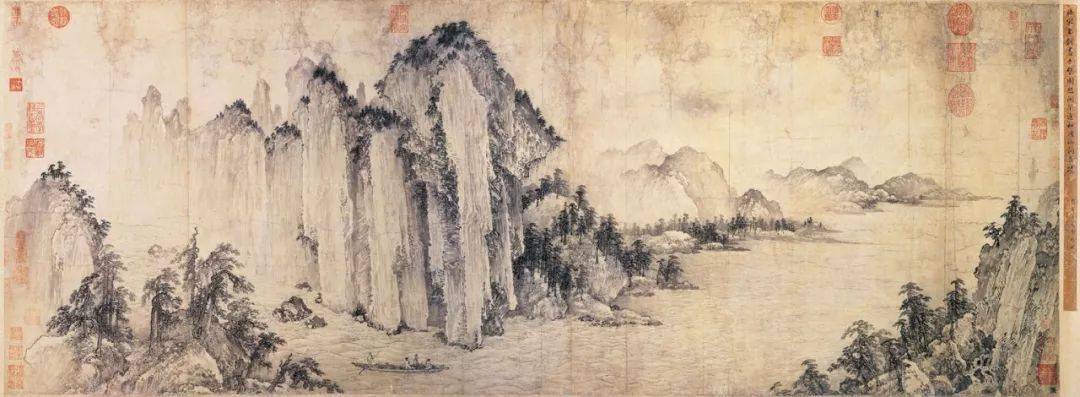
<p class="wp-block-paragraph">壬戌之秋，七月既望，苏子与客泛舟游于赤壁之下。清风徐来，水波不兴。举酒属客，诵明月之诗，歌窈窕之章。</p>


<p class="wp-block-paragraph">In the autumn of the year Renxu, at the time of the full moon in the seventh month, I went by boat with some friends to the Red Cliff. There was a fresh, gentle breeze, but the water was unruffled. I raised my winecup to drink to my friends, and we chanted the poem on the bright moon, singing the stanza about the fair maid.</p>


<p class="wp-block-paragraph">少焉，月出于东山之上，徘徊于斗牛之间。白露横江，水光接天。纵一苇之所如，凌万顷之茫然。浩浩乎如冯虚御风，而不知其所止；飘飘乎如遗世独立，羽化而登仙。于是饮酒乐甚，扣舷而歌之。歌曰：</p>


<p class="wp-block-paragraph">Soon the moon rose above the eastern mountain, hovering between the Dipper and the Cowherd. The river stretched white, sparkling as if with dew, its glimmering water merging with the sky. We let our craft drift over the boundless expanse of water, feeling as free as if we were riding the wind bound for some unknown destination, as light as if we had left the human world and become winged immortals.&nbsp;Drinking, we became very merry; and we sang a song, beating time on the side of the boat. This was the song:</p>


<figure class="wp-block-image"><img decoding="async" src="https://p8.itc.cn/q_70/images03/20210706/086638eacd3447398551588eb9e0a650.jpeg" alt=""/></figure>


<p class="wp-block-paragraph">“桂棹兮兰桨，击空明兮溯流光。渺渺兮予怀，望美人兮天一方。”</p>


<p class="wp-block-paragraph">Our rudder and oars, redolent of cassia and orchids;</p>


<p class="wp-block-paragraph">Strike the moon&#8217;s reflection, cleaving the glimmering water;</p>


<p class="wp-block-paragraph">But my heart is far away,</p>


<p class="wp-block-paragraph">Longing for my dear one under a different sky.</p>


<p class="wp-block-paragraph">客有吹洞箫者，倚歌而和之。其声呜呜然，如怨如慕，如泣如诉，余音袅袅，不绝如缕。舞幽壑之潜蛟，泣孤舟之嫠妇。苏子愀然，正襟危坐而问客曰：“何为其然也？</p>


<p class="wp-block-paragraph">One friend, who was a good flutist, played an accompaniment to this song. The notes rang out nostalgic, mournful and plaintive, trailing on and on like a thread of gossamer, arousing the serpents lurking in dark caverns, drawing tears from a widow in her lonely boat.&nbsp;Sad at heart, I sat up straight to ask my friend why the music was so mournful.</p>


<figure class="wp-block-image"><img decoding="async" src="https://p7.itc.cn/q_70/images03/20210706/4be85ab3f064492e8ce145dff792aa06.jpeg" alt=""/></figure>


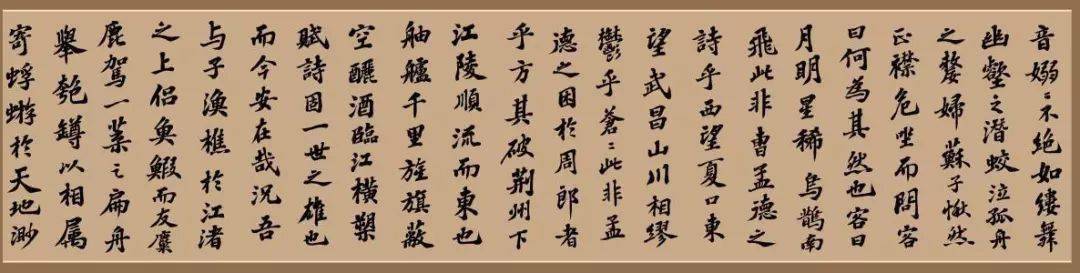
<p class="wp-block-paragraph">”客曰：“月明星稀，乌鹊南飞，此非曹孟德之诗乎？西望夏口，东望武昌，山川相缪，郁乎苍苍，此非孟德之困于周郎者乎？方其破荆州，下江陵，顺流而东也，舳舻千里，旌旗蔽空，酾酒临江，横槊赋诗，固一世之雄也，而今安在哉？</p>


<p class="wp-block-paragraph">He replied, “Didn&#8217;t Cao Cao describe a scene like this in his poem: &#8216;The moon is bright, the stars are scattered, the crows fly south&#8230;?&#8217; And isn&#8217;t this the place where he was defeated by Zhou Yu? See how the mountains and streams intertwine, and how darkly imposing they are with Xiakou to the west and Wuchang to the east. When Cao Cao took Jingzhou by storm and conquered Jiangling, then advanced eastward along the river, his battleships stretched for a thousand li, his armies&#8217; pennons and banners filled the sky. When he offered a libation of wine on the river and lance in hand chanted his poem, he was the hero of his times. But where is he now?</p>


<figure class="wp-block-image"><img decoding="async" src="https://p1.itc.cn/q_70/images03/20210706/28e3641163be45ddacb2153dfbdf8b71.jpeg" alt=""/></figure>


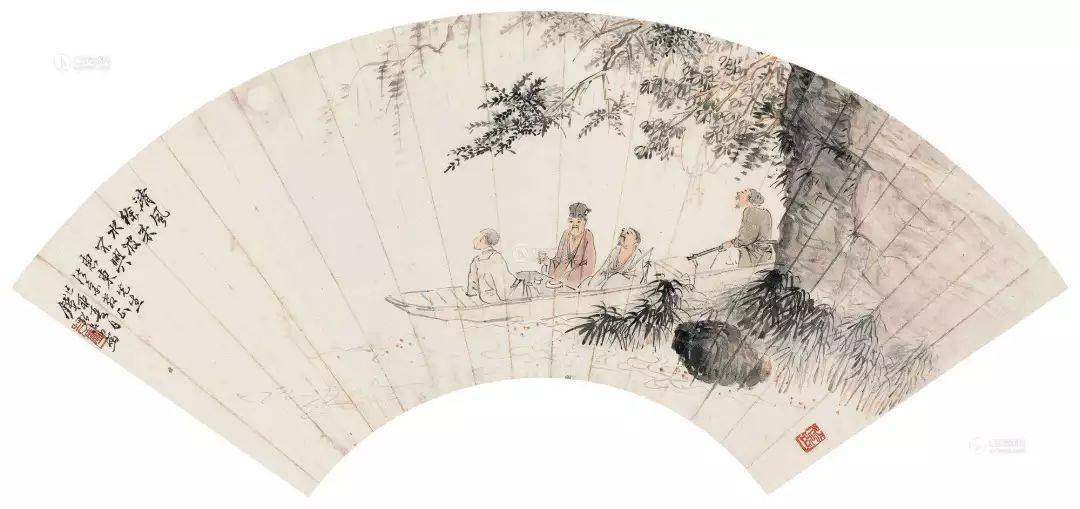
<p class="wp-block-paragraph">况吾与子渔樵于江渚之上，侣鱼虾而友麋鹿，驾一叶之扁舟，举匏樽以相属。寄蜉蝣于天地，渺沧海之一粟。哀吾生之须臾，羡长江之无穷。挟飞仙以遨游，抱明月而长终。知不可乎骤得，托遗响于悲风。”</p>


<p class="wp-block-paragraph">We are mere fishermen and woodcutters, keeping company with fish and prawns and befriending deer. We sail our skiff, frail as a leaf, and toast each other by drinking wine from a gourd. We are nothing but insects who live in this world but one day, mere specks of grain in the vastness of the ocean. I am grieved because our life is so transient, and envy the mighty river which flows on forever. I long to clasp winged fairies and roam freely, or to embrace the bright moon for all eternity. But knowing that this cannot be attained at once, I give vent to my feelings in these notes which pass with the sad breeze.”</p>


<p class="wp-block-paragraph">苏子曰：“客亦知夫水与月乎？逝者如斯，而未尝往也；盈虚者如彼，而卒莫消长也。盖将自其变者而观之，则天地曾不能以一瞬；自其不变者而观之，则物与我皆无尽也，而又何羡乎!</p>


<p class="wp-block-paragraph">Then I asked him, “Have you considered the water and the moon? Water flows away but is never lost; the moon waxes and wanes, but neither increases nor diminished. If you look at its changing aspect, the universe passes in the twinkling of an eye; but if you look at its changeless aspect, all creatures including ourselves are imperishable. What reason have you to envy other things?</p>


<p class="wp-block-paragraph">且夫天地之间，物各有主,苟非吾之所有，虽一毫而莫取。惟江上之清风，与山间之明月，耳得之而为声，目遇之而成色，取之无禁，用之不竭，是造物者之无尽藏也，而吾与子之所共适。”</p>


<p class="wp-block-paragraph">Besides, everything in this universe has its owner; and if it does not belong to me nor a tiny speck can I take. The sole exceptions are the cool breeze on the river, the bright moon over the hills. These serve as music to our ears, as colour to our eyes; these we can take freely and enjoy forever; these are inexhaustible treasures supplied by the Creator, and things in which we can delight together.</p>


<p class="wp-block-paragraph">客喜而笑，洗盏更酌。肴核既尽，杯盘狼籍。相与枕藉乎舟中，不知东方之既白。</p>


<p class="wp-block-paragraph">My friend was pleased and laughed. Then we rinsed our cups and filled them with wine again. When we had finished the dishes, and cups and plates lay about us in disorder, we stretched out in the boat and did not notice the coming of dawn in the east.</p>
]]></content:encoded>


			</item>
		<item>
		<title>Ancient Chinese Poems- Su Shi &#8220;Ding Feng Bo&#8221; &#8211; Bilingual Chinese and English (seven translated versions)</title>
		<link>https://cdken.com/ancient-chinese-poems-su-shi-ding-feng-bo-bilingual-chinese-and-english-seven-translated-versions/</link>
		
		<dc:creator><![CDATA[listenerxu]]></dc:creator>
		<pubDate>Thu, 12 May 2022 07:03:18 +0000</pubDate>
				<category><![CDATA[Literature-2]]></category>
		<category><![CDATA[Chinese learning]]></category>
		<category><![CDATA[knowledge]]></category>
		<category><![CDATA[Learning]]></category>
		<category><![CDATA[Literature]]></category>
		<category><![CDATA[personage]]></category>
		<guid isPermaLink="false">https://cdken.com/?p=9069</guid>

					<description><![CDATA[定风波 〔宋〕苏轼 三月七日，沙湖道中遇雨。雨具先去，同行皆狼狈，余独不觉。已而遂晴，故作此。 莫听穿林打叶声，何妨吟啸且徐行。竹杖芒鞋轻胜马，谁怕？一蓑烟雨任平生。 料峭春风吹酒醒，微冷，山头斜照却相迎。回首向来萧瑟处，归去，也无风雨也无晴。 —————————————————————————————————————— Translation of the one Xu Yuan chong translation Calming the Waves Caught in Rain on My Way to the...]]></description>
										<content:encoded><![CDATA[
<p class="wp-block-paragraph"><strong>定风波</strong></p>


<p class="wp-block-paragraph">〔宋〕苏轼</p>


<p class="wp-block-paragraph">三月七日，沙湖道中遇雨。雨具先去，同行皆狼狈，余独不觉。已而遂晴，故作此。</p>


<p class="wp-block-paragraph">莫听穿林打叶声，何妨吟啸且徐行。竹杖芒鞋轻胜马，谁怕？一蓑烟雨任平生。</p>


<p class="wp-block-paragraph">料峭春风吹酒醒，微冷，山头斜照却相迎。回首向来萧瑟处，归去，也无风雨也无晴。</p>


<p class="wp-block-paragraph">——————————————————————————————————————</p>


<p class="wp-block-paragraph">Translation of the one</p>


<p class="wp-block-paragraph">Xu Yuan chong translation</p>


<p class="wp-block-paragraph"><strong>Calming the Waves</strong></p>


<p class="wp-block-paragraph"><strong>Caught in Rain on My Way to the Sandy Lake</strong></p>


<p class="wp-block-paragraph"><strong>On the 7th day of the 3rd month we were caught in rain on our way to the Sandy Lake. The umbrellas had gone ahead, my companions were quite downhearted, but I took no notice. It soon cleared, and I wrote this.</strong></p>


<p class="wp-block-paragraph">Listen not to the rain beating against the trees.</p>


<p class="wp-block-paragraph">I had better walk slowly while chanting at ease.</p>


<p class="wp-block-paragraph">Better than a saddle I like sandals and cane.</p>


<p class="wp-block-paragraph">I’d fain,</p>


<p class="wp-block-paragraph">In a straw cloak, spend my life in mist and rain.</p>


<p class="wp-block-paragraph">Drunken, I am sobered by the vernal wind shrill</p>


<p class="wp-block-paragraph">And rather chill.</p>


<p class="wp-block-paragraph">In front, I see the slanting sun atop the hill;</p>


<p class="wp-block-paragraph">Turning my head, I see the dreary beaten track.</p>


<p class="wp-block-paragraph">Let me go back!</p>


<p class="wp-block-paragraph">Impervious to rain or shine, I’ll have my own will.</p>


<p class="wp-block-paragraph">——————————————————————————————————————</p>


<p class="wp-block-paragraph">Translation of the two</p>


<p class="wp-block-paragraph">Zhuo Zhenying translation</p>


<p class="wp-block-paragraph"><strong>Taming the Waves and Winds</strong></p>


<p class="wp-block-paragraph"><strong>On 7th of the third moon, I was caught in rain on my way to Sandy Lake. As the rain-gear had been sent to the place in advance, all the company felt awkward except me. I composed this ci-poem when the rain stopped.</strong></p>


<p class="wp-block-paragraph">What matters if on the woods and leaves splatters th’ rain?</p>


<p class="wp-block-paragraph">I may well recite poems while pacing on the cane</p>


<p class="wp-block-paragraph">And in sandals, which than horse back make me more eas’d.</p>


<p class="wp-block-paragraph">Howe’er could one with dread be seiz’d,</p>


<p class="wp-block-paragraph">Who’s known in th’ eventful life rain and wind and pain?</p>


<p class="wp-block-paragraph">I feel the chill when th’ breezes sober me from wine,</p>


<p class="wp-block-paragraph">But then a soothing sun atop the hill does shine.</p>


<p class="wp-block-paragraph">I glance back at the place that I am to return:</p>


<p class="wp-block-paragraph">There’s th’ seclusion for which I yearn:</p>


<p class="wp-block-paragraph">’Tis secure and quiet, be th’ weather rough or fine!</p>


<p class="wp-block-paragraph">——————————————————————————————————————</p>


<p class="wp-block-paragraph">Translation of the three</p>


<p class="wp-block-paragraph">Translation written by Yang Xianyi and Dai Naidi</p>


<p class="wp-block-paragraph"><strong>Ding Feng Bo</strong></p>


<p class="wp-block-paragraph"><strong>On the seventh day of the third month we were caught in the rain on our way to Shahu. The umbrellas had gone ahead, my companions were downhearted, but I took notice. It soon cleared, and I wrote this.</strong></p>


<p class="wp-block-paragraph">Forget that patter of rain on the forest leaves,</p>


<p class="wp-block-paragraph">Why not chant a poem as we plod slowly on?</p>


<p class="wp-block-paragraph">Pleasanter than a saddle this bamboo staff and straw sandals.</p>


<p class="wp-block-paragraph">Here’s nothing to fear.</p>


<p class="wp-block-paragraph">I could spend my whole life in the mist and rain.</p>


<p class="wp-block-paragraph">The keen spring wind has sobered me,</p>


<p class="wp-block-paragraph">Left me chilly,</p>


<p class="wp-block-paragraph">But slanting sunlight beckons from high on the hill;</p>


<p class="wp-block-paragraph">One last look at scene behind</p>


<p class="wp-block-paragraph">And on I go,</p>


<p class="wp-block-paragraph">Impervious to wind, rain or sunny weather.</p>


<p class="wp-block-paragraph">——————————————————————————————————————</p>


<p class="wp-block-paragraph">Translation of the four</p>


<p class="wp-block-paragraph">Zhao Yanchun translation</p>


<p class="wp-block-paragraph"><strong>Be Still</strong></p>


<p class="wp-block-paragraph">Don’t listen if a rain does the leaves sway;</p>


<p class="wp-block-paragraph">You’d better walk lightly singing a lay.</p>


<p class="wp-block-paragraph">Sandals outdo saddles, cane as your aid,</p>


<p class="wp-block-paragraph">Who’s afraid?</p>


<p class="wp-block-paragraph">A cape against mist and rain, come what may.</p>


<p class="wp-block-paragraph">A spring wind blows me sober, blows away.</p>


<p class="wp-block-paragraph">A chill day.</p>


<p class="wp-block-paragraph">The sun uphill slants to me with a ray,</p>


<p class="wp-block-paragraph">I turn around and feel a gentle sough,</p>


<p class="wp-block-paragraph">Go back now.</p>


<p class="wp-block-paragraph">No wind, no rain, nor shining light to stay.</p>


<p class="wp-block-paragraph">——————————————————————————————————————</p>


<p class="wp-block-paragraph">Translation of the five</p>


<p class="wp-block-paragraph">A translation of qin dachuan</p>


<p class="wp-block-paragraph"><strong>A Coir Cloak to Brave All Weathers in My Life</strong></p>


<p class="wp-block-paragraph"><strong>(to the tune of Ding Feng Bo)</strong></p>


<p class="wp-block-paragraph">Care not about spattering rain in the woods,</p>


<p class="wp-block-paragraph">I may as well walk at leisure and chant the lines.</p>


<p class="wp-block-paragraph">It’s agiler to trek the mount in straw shoes,</p>


<p class="wp-block-paragraph">Who fears? A cloak braves all weathers all the time.</p>


<p class="wp-block-paragraph">Vernal chill sobers me up, a bit cold, whoof!</p>


<p class="wp-block-paragraph">Yet the setting sun o’er the hill greets me fine &#8212;</p>


<p class="wp-block-paragraph">Looking back at the bleak and rustling nook,</p>


<p class="wp-block-paragraph">O, come away home, it’s neither rain nor shine.</p>


<p class="wp-block-paragraph">——————————————————————————————————————</p>


<p class="wp-block-paragraph">Translation of six</p>


<p class="wp-block-paragraph">Ren Ji translation</p>


<p class="wp-block-paragraph">A deaf ear to the grove-piercing and leaf beating rain,Might as well chant and sing at a leisurely pace.Bamboo sticks and straw sandals lighter than a horse,Who cares?A rush cape to weather a life of mists and rains.Chilly breeze of spring sobers one from wine,Though cold.Mountaintops in the evening glow a welcome extend.Looking back to where the swishing had been,On our way home,No wind, no rain, nor sunshine.</p>


<p class="wp-block-paragraph">——————————————————————————————————————</p>


<p class="wp-block-paragraph">Translation of seven</p>


<p class="wp-block-paragraph">Translated by Xu Zhongjie</p>


<p class="wp-block-paragraph">Who among us is afraid of the rain?</p>


<p class="wp-block-paragraph">Don a thatched coat every day, one well can.</p>


<p class="wp-block-paragraph">How use doth breed a habit in a man!</p>


<p class="wp-block-paragraph">Spring breeze has sobered me up for a chill:</p>


<p class="wp-block-paragraph">The after-effects of drinking ones fill.</p>


<p class="wp-block-paragraph">Slanting rays o’er the hills have come our way</p>


<p class="wp-block-paragraph">Give hopes of the end of a perfect day.</p>


<p class="wp-block-paragraph">I look back where there were patter and sough.</p>


<p class="wp-block-paragraph">On our way home, tis neither fair nor rough.</p>
]]></content:encoded>


			</item>
		<item>
		<title>Chinese Poems\Butterflies in Love with Flowers\ Liu Yong\ Chinese and English</title>
		<link>https://cdken.com/chinese-poemsbutterflies-in-love-with-flowers-liu-yong-chinese-and-english/</link>
		
		<dc:creator><![CDATA[listenerxu]]></dc:creator>
		<pubDate>Thu, 12 May 2022 06:40:54 +0000</pubDate>
				<category><![CDATA[Literature-2]]></category>
		<category><![CDATA[Chinese learning]]></category>
		<category><![CDATA[knowledge]]></category>
		<category><![CDATA[Learning]]></category>
		<category><![CDATA[Literature]]></category>
		<category><![CDATA[personage]]></category>
		<guid isPermaLink="false">https://cdken.com/?p=9067</guid>

					<description><![CDATA[蝶恋花 Butterflies in Love with Flowers 柳永&#160; Liu Yong 伫倚危楼风细细。望极春愁，黯黯生天际。 草色烟光残照里，无言谁会凭阑意。 I lean alone on balcony in light, light breeze; As far as the eye...]]></description>
										<content:encoded><![CDATA[
<p class="wp-block-paragraph">蝶恋花</p>


<p class="wp-block-paragraph">Butterflies in Love with Flowers</p>


<p class="wp-block-paragraph">柳永&nbsp; Liu Yong</p>


<p class="wp-block-paragraph">伫倚危楼风细细。望极春愁，黯黯生天际。</p>


<p class="wp-block-paragraph">草色烟光残照里，无言谁会凭阑意。</p>


<p class="wp-block-paragraph">I lean alone on balcony in light, light breeze;</p>


<p class="wp-block-paragraph">As far as the eye sees,</p>


<p class="wp-block-paragraph">On the horizon dark parting grief grows unseen.</p>


<p class="wp-block-paragraph">In fading sunlight rises smoke over grass green.</p>


<p class="wp-block-paragraph">Who understands why mutely on the rails lean?</p>


<p class="wp-block-paragraph">拟把疏狂图一醉。对酒当歌，强乐还无味。</p>


<p class="wp-block-paragraph">衣带渐宽终不悔，为伊消得人憔悴。</p>


<p class="wp-block-paragraph">I’d drown in wine my parting grief;</p>


<p class="wp-block-paragraph">Chanting before the cup, strained wirth brings no relief.</p>


<p class="wp-block-paragraph">I find my gown too large, but I will not regret;</p>


<p class="wp-block-paragraph">It’s worth while growing languid for my coquette.</p>


<p class="wp-block-paragraph">——Xu Yuan chong translation</p>


<p class="wp-block-paragraph">The meaning of poetry：</p>


<p class="wp-block-paragraph">I leaned for a long time on the railing of a tall building, the breeze brushed my face a tiny bit, looking at the inexhaustible spring sorrow of leaving<br>Frustrated sorrow rises from the distant and boundless sky. The turquoise grass, drifting and dazzling clouds and mist hidden in the sunset<br>The sun&#8217;s afterglow, silent who understands my mood leaning on the railing.<br>I intend to get drunk on my debauchery, raise a glass and sing, but I feel that it is meaningless to laugh. I<br>I am getting thinner and thinner, but I don&#8217;t feel remorseful, I would rather be thinner and thinner for her, I am depressed and haggard.<br>I was alone on a high building, standing on a long leaning rail, a fine spring breeze blowing in the face, looking at the endless spring sorrow, gloomy diffuse sky.<br>The sky. The green grass, the misty light of smoke in the sunset afterglow, who can understand my silent leaning on the railing of the<br>I wanted to indulge in a drink.<br>I wanted to drink to my heart&#8217;s content. I was singing with other people, but then I felt that I was not interested in forcing myself to have fun.<br>I was so tired of my clothes. I&#8217;m not sorry that I&#8217;m losing weight and my clothes are loose, but I&#8217;d rather pine away for her.</p>


<p class="wp-block-paragraph">The poet&#8217;s introduction：</p>


<p class="wp-block-paragraph">Liu Yong (?- c.1053), once known as Sanbian, or Jingzhuang (courtesy</p>


<p class="wp-block-paragraph">name), renamed himself as Yong, or Qiqing (courtesy name) later in</p>


<p class="wp-block-paragraph">his life. A native of Chong’an (present-day Wuyishan City, Fujian</p>


<p class="wp-block-paragraph">Province), he ranked seventh in his family. He passed the imperial</p>


<p class="wp-block-paragraph">examination during the Jingyou period in the Song Dynasty and was</p>


<p class="wp-block-paragraph">appointed as Tuntian Yuanwailang (‘deputy officer in charge of</p>


<p class="wp-block-paragraph">reclaiming wasteland’). Therefore, he was also called Liu Qi (Qi</p>


<p class="wp-block-paragraph">means seven) or Liu Tuntian. He was especially good at creating</p>


<p class="wp-block-paragraph">manci, a type of Song lyrics accompanied by slow musical rhythm. Due</p>


<p class="wp-block-paragraph">to their harmonious and mild rhyme, his lyrics are easy to read, with the scenery depicted and the emotions expressed in perfect harmony.</p>
]]></content:encoded>


			</item>
		<item>
		<title>Chinese poetry &#8220;Qiantang Lake Spring Walk&#8221; Bai Juyi Han and English bilingual</title>
		<link>https://cdken.com/chinese-poetry-qiantang-lake-spring-walk-bai-juyi-han-and-english-bilingual/</link>
		
		<dc:creator><![CDATA[listenerxu]]></dc:creator>
		<pubDate>Thu, 12 May 2022 05:54:45 +0000</pubDate>
				<category><![CDATA[Literature-2]]></category>
		<category><![CDATA[Chinese learning]]></category>
		<category><![CDATA[knowledge]]></category>
		<category><![CDATA[Learning]]></category>
		<category><![CDATA[Literature]]></category>
		<category><![CDATA[personage]]></category>
		<guid isPermaLink="false">https://cdken.com/?p=9064</guid>

					<description><![CDATA[钱塘湖春行 白居易 孤山寺北贾亭西，水面初平云脚低。 几处早莺争暖树，谁家春燕啄新泥。 乱花渐欲迷人眼，浅草才在能没马蹄。 最爱湖东行不足，绿杨阴里白沙堤。 On Qiantang Lake in Spring West of Jia Pavilion and north of Lonely Hill, Lake water levels with the...]]></description>
										<content:encoded><![CDATA[
<p class="wp-block-paragraph"><strong>钱塘湖春行 白居易</strong></p>


<p class="wp-block-paragraph">孤山寺北贾亭西，水面初平云脚低。</p>


<p class="wp-block-paragraph">几处早莺争暖树，谁家春燕啄新泥。</p>


<p class="wp-block-paragraph">乱花渐欲迷人眼，浅草才在能没马蹄。</p>


<p class="wp-block-paragraph">最爱湖东行不足，绿杨阴里白沙堤。</p>


<p class="wp-block-paragraph"><strong>On Qiantang Lake in Spring</strong></p>


<p class="wp-block-paragraph">West of Jia Pavilion and north of Lonely Hill,</p>


<p class="wp-block-paragraph">Lake water levels with the bank and the clouds hanging low.</p>


<p class="wp-block-paragraph">Disputing for sunny branches, early orioles trill;</p>


<p class="wp-block-paragraph">Pecking vernal mud in, newly-returned swallows come and go.</p>


<p class="wp-block-paragraph">A riot of blooms begins to dazzle the eye;</p>


<p class="wp-block-paragraph">Amid short grass the horse hoofs can barely been seen.</p>


<p class="wp-block-paragraph">I love best the east of the lake under the sky;</p>


<p class="wp-block-paragraph">The White Sand Causeway is shaded by willows green.</p>


<p class="wp-block-paragraph">【生词】</p>


<p class="wp-block-paragraph">pavilion[pviljn]: 亭，阁</p>


<p class="wp-block-paragraph">level[levl]: 置于同一水平</p>


<p class="wp-block-paragraph">hang[h]：停滞，悬浮</p>


<p class="wp-block-paragraph">dispute[dispju:t]：争夺，争吵</p>


<p class="wp-block-paragraph">oriole[:riul]：黄鹂，金莺</p>


<p class="wp-block-paragraph">trill[tril]：(鸟的)啼啭</p>


<p class="wp-block-paragraph">peck[pek]：啄食</p>


<p class="wp-block-paragraph">vernal[v: nl]：春季的；青春的</p>


<p class="wp-block-paragraph">riot[rait]：极度丰富；暴乱</p>


<p class="wp-block-paragraph">dazzle[dzl]：眼花，目眩</p>


<p class="wp-block-paragraph">hoof[hu:f]：蹄；踢</p>


<p class="wp-block-paragraph">willow[wilu]：柳树，柳木</p>


<p class="wp-block-paragraph">shade[ eid]: 阴影；使阴暗</p>
]]></content:encoded>


			</item>
		<item>
		<title>Bai Juyi&#8217;s Poem \ Song of the Lute Player (Chinese and English)</title>
		<link>https://cdken.com/bai-juyis-poem-song-of-the-lute-player-chinese-and-english/</link>
		
		<dc:creator><![CDATA[listenerxu]]></dc:creator>
		<pubDate>Thu, 12 May 2022 05:43:56 +0000</pubDate>
				<category><![CDATA[Literature-2]]></category>
		<category><![CDATA[Chinese learning]]></category>
		<category><![CDATA[knowledge]]></category>
		<category><![CDATA[Learning]]></category>
		<category><![CDATA[Literature]]></category>
		<category><![CDATA[personage]]></category>
		<guid isPermaLink="false">https://cdken.com/?p=9061</guid>

					<description><![CDATA[《琵琶⾏》 Song of the Lute Player 　　⽩居易 Bai Juyi 　　浔阳江头夜送客，枫叶荻花秋瑟瑟。 By the Xunyang River a guest is seen off one night; Chill the autumn, red...]]></description>
										<content:encoded><![CDATA[
<p class="wp-block-paragraph">《琵琶⾏》</p>


<p class="wp-block-paragraph">Song of the Lute Player</p>


<p class="wp-block-paragraph">　　⽩居易</p>


<p class="wp-block-paragraph">Bai Juyi</p>


<p class="wp-block-paragraph">　　浔阳江头夜送客，枫叶荻花秋瑟瑟。</p>


<p class="wp-block-paragraph">By the Xunyang River a guest is seen off one night;</p>


<p class="wp-block-paragraph">Chill the autumn, red the maple leaves and in flower the reeds;</p>


<p class="wp-block-paragraph">　　主⼈下马客在船，举酒欲饮⽆管弦。</p>


<p class="wp-block-paragraph">The host alights from his horse, the guest is aboard,</p>


<p class="wp-block-paragraph">They raise their cups to drink but have no music.</p>


<p class="wp-block-paragraph">　　醉不成欢惨将别，别时茫茫江浸⽉。</p>


<p class="wp-block-paragraph">Drunk without joy, in sadness they must part;</p>


<p class="wp-block-paragraph">At the time of parting the river seems steeped in moonlight;</p>


<p class="wp-block-paragraph">　　忽闻⽔上琵琶声，主⼈忘归客不发。</p>


<p class="wp-block-paragraph">Suddenly out on the water a lute is heard;</p>


<p class="wp-block-paragraph">The host forgets to turn back, the guest delays going.</p>


<p class="wp-block-paragraph">　　寻声暗问弹者谁?琵琶声停欲语迟。</p>


<p class="wp-block-paragraph">Seeking the sound in the dark, we ask who is the player.</p>


<p class="wp-block-paragraph">The lute is silent, hesitant the reply.</p>


<p class="wp-block-paragraph">　　移船相近邀相见，添酒回灯重开宴。</p>


<p class="wp-block-paragraph">Rowing closer, we ask if we may meet the musician,</p>


<p class="wp-block-paragraph">Call for more wine, trim the lamp and resume our feast;</p>


<p class="wp-block-paragraph">　　千呼万唤始出来，犹抱琵琶半遮⾯。</p>


<p class="wp-block-paragraph">Only after a thousand entreaties does she appear,</p>


<p class="wp-block-paragraph">Her face half-hidden behind the lute in her arms.</p>


<p class="wp-block-paragraph">　　转轴拨弦三两声，未成曲调先有情。</p>


<p class="wp-block-paragraph">She tunes up and plucks the strings a few times,</p>


<p class="wp-block-paragraph">Touching our hearts before even the tune is played;</p>


<p class="wp-block-paragraph">　　弦弦掩抑声声思，似诉平⽣不得志。</p>


<p class="wp-block-paragraph">Each chord strikes a pensive note</p>


<p class="wp-block-paragraph">As if voicing the disillusion of a lifetime;</p>


<p class="wp-block-paragraph">　　低眉信⼿续续弹，说尽⼼中⽆限事。</p>


<p class="wp-block-paragraph">Her head is bent, her fingers stray over the strings</p>


<p class="wp-block-paragraph">Pouring out the infinite sorrows of her heart.</p>


<p class="wp-block-paragraph">　　轻拢慢捻抹复挑，初为《霓裳》后《六⼳》。</p>


<p class="wp-block-paragraph">Lightly she pinches in the strings, slowly she strums and plucks them;</p>


<p class="wp-block-paragraph">First The Rainbow Garments, then The Six Minor Notes.</p>


<p class="wp-block-paragraph">　　⼤弦嘈嘈如急⾬，⼩弦切切如私语。</p>


<p class="wp-block-paragraph">The high notes wail like pelting rain,</p>


<p class="wp-block-paragraph">The low notes whisper like soft confidences;</p>


<p class="wp-block-paragraph">　　嘈嘈切切错杂弹，⼤珠⼩珠落⽟盘。</p>


<p class="wp-block-paragraph">Wailing and whispering interweave</p>


<p class="wp-block-paragraph">Like pearls large and small cascading on a plate of jade,</p>


<p class="wp-block-paragraph">　　间关莺语花底滑，幽咽泉流冰下难。</p>


<p class="wp-block-paragraph">Like a warbling oriole gliding below the blossom,</p>


<p class="wp-block-paragraph">Like a mountain brook purling down a bank,</p>


<p class="wp-block-paragraph">　　冰泉冷涩弦凝绝，凝绝不通声暂歇。</p>


<p class="wp-block-paragraph">Till the brook turns to ice, the strings seem about snap,</p>


<p class="wp-block-paragraph">About to snap, and for one instant all is still</p>


<p class="wp-block-paragraph">　　别有幽愁暗恨⽣，此时⽆声胜有声。</p>


<p class="wp-block-paragraph">Only an undertone of quiet grief</p>


<p class="wp-block-paragraph">Is more poignant in the silence than any sound;</p>


<p class="wp-block-paragraph">　　银瓶乍破⽔浆迸，铁骑突出⼑枪鸣。</p>


<p class="wp-block-paragraph">Then a silver bottle is smashed, out gushes the water,</p>


<p class="wp-block-paragraph">Armoured riders charge, their swords and lances clang!</p>


<p class="wp-block-paragraph">　　曲终收拨当⼼画，四弦⼀声如裂帛。</p>


<p class="wp-block-paragraph">When the tune ends, she draws her pick full across</p>


<p class="wp-block-paragraph">And the four strings give a sound like the tearing of silk.</p>


<p class="wp-block-paragraph">　　东船西舫悄⽆⾔，唯见江⼼秋⽉⽩。</p>


<p class="wp-block-paragraph">Right and left of the boat all is silence —</p>


<p class="wp-block-paragraph">We see only the autumn moon, silver in midstream.</p>


<p class="wp-block-paragraph">　　沉吟放拨插弦中，整顿⾐裳起敛容。</p>


<p class="wp-block-paragraph">Pensively she puts the pick between the strings,</p>


<p class="wp-block-paragraph">Straightens her clothes, rises and composes herself.</p>


<p class="wp-block-paragraph">　　⾃⾔本是京城⼥，家在虾蟆陵下住。</p>


<p class="wp-block-paragraph">She is, she says, a girl from the capital</p>


<p class="wp-block-paragraph">Whose family once lived at the foot of Toad Hill.</p>


<p class="wp-block-paragraph">　　⼗三学得琵琶成，名属教坊第⼀部。</p>


<p class="wp-block-paragraph">At thirteen she learned to play the lute</p>


<p class="wp-block-paragraph">And ranked first among the musicians;</p>


<p class="wp-block-paragraph">　　曲罢曾教善才服，妆成每被秋娘妒。</p>


<p class="wp-block-paragraph">Her playing was admired by the old masters,</p>


<p class="wp-block-paragraph">Her looks were the envy of other courtesans;</p>


<p class="wp-block-paragraph">　　五陵年少争缠头，⼀曲红绡不知数。</p>


<p class="wp-block-paragraph">Youths from wealthy districts vied in their gifts to engage her,</p>


<p class="wp-block-paragraph">A single song brought her countless rolls of red silk;</p>


<p class="wp-block-paragraph">　　钿头银篦击节碎，⾎⾊罗裙翻酒污。</p>


<p class="wp-block-paragraph">Men smashed jeweled and silver trinkets to mark the beat;</p>


<p class="wp-block-paragraph">Silk skirts as red as blood were stained by spilt wine.</p>


<p class="wp-block-paragraph">　　今年欢笑复明年，秋⽉春风等闲度。</p>


<p class="wp-block-paragraph">Pleasure and laughter from one year to the next.</p>


<p class="wp-block-paragraph">While the autumn moon and spring breeze passed unheeded.</p>


<p class="wp-block-paragraph">　　弟⾛从军阿姨死，暮去朝来颜⾊故。</p>


<p class="wp-block-paragraph">Then her brother joined the army, her aunt died,</p>


<p class="wp-block-paragraph">The days and nights slipped by and her beauty fades,</p>


<p class="wp-block-paragraph">　　门前冷落鞍马稀，⽼⼤嫁作商⼈妇。</p>


<p class="wp-block-paragraph">No more carriages and horsemen thronged her gate,</p>


<p class="wp-block-paragraph">And growing old she became a merchant&#8217;s wife.</p>


<p class="wp-block-paragraph">　　商⼈重利轻别离，前⽉浮梁买茶去。</p>


<p class="wp-block-paragraph">The merchant thought only of profit: to seek it he leaves her.</p>


<p class="wp-block-paragraph">Two months ago he went to Fuliang to buy tea,</p>


<p class="wp-block-paragraph">　　去来江⼝守空船，绕船⽉明江⽔寒。</p>


<p class="wp-block-paragraph">Leaving her alone in the boat at the mouth of the river;</p>


<p class="wp-block-paragraph">All around the moonlight is bright, the river is cold,</p>


<p class="wp-block-paragraph">　　夜深忽梦少年事，梦啼妆泪红阑⼲。</p>


<p class="wp-block-paragraph">And late at night, dreaming of her girlhood,</p>


<p class="wp-block-paragraph">She cries in her sleep, staining her rouged cheeks with tears.</p>


<p class="wp-block-paragraph">　　我闻琵琶已叹息，⼜闻此语重唧唧。</p>


<p class="wp-block-paragraph">The music of her lute has made me sign,</p>


<p class="wp-block-paragraph">And now she tells this plaintive tale of sorrow;</p>


<p class="wp-block-paragraph">　　同是天涯沦落⼈，相逢何必曾相识!</p>


<p class="wp-block-paragraph">We are both ill-starred, drifting on the face of the earth;</p>


<p class="wp-block-paragraph">No matter if we were strangers before this encounter.</p>


<p class="wp-block-paragraph">　　我从去年辞帝京，谪居卧病浔阳城。</p>


<p class="wp-block-paragraph">Last year I bade the imperial city farewell;</p>


<p class="wp-block-paragraph">A demoted official, I lay ill in Xunyang;</p>


<p class="wp-block-paragraph">　　浔阳地僻⽆⾳乐，终岁不闻丝⽵声。</p>


<p class="wp-block-paragraph">Xunyang is a paltry place without any music,</p>


<p class="wp-block-paragraph">For one year I heard no wind instruments, no strings.</p>


<p class="wp-block-paragraph">　　住近湓江地低湿，黄芦苦⽵绕宅⽣。</p>


<p class="wp-block-paragraph">Now I live on the low, damp flat by the River Pen,</p>


<p class="wp-block-paragraph">Round my house yellow reeds and bitter bamboos grow rife;</p>


<p class="wp-block-paragraph">　　其间旦暮闻何物?杜鹃啼⾎猿哀鸣。</p>


<p class="wp-block-paragraph">From dawn till dusk I hear no other sounds</p>


<p class="wp-block-paragraph">But the wailing of night-jars and the moaning of apes.</p>


<p class="wp-block-paragraph">　　春江花朝秋⽉夜，往往取酒还独倾。</p>


<p class="wp-block-paragraph">On a day of spring blossoms by the river or moonlit night in autumn</p>


<p class="wp-block-paragraph">I often call for wine and drink alone;</p>


<p class="wp-block-paragraph">　　岂⽆⼭歌与村笛，呕哑嘲哳难为听。</p>


<p class="wp-block-paragraph">Of course, there are rustic songs and village pipes,</p>


<p class="wp-block-paragraph">But their shrill discordant notes grate on my ears;</p>


<p class="wp-block-paragraph">　　今夜闻君琵琶语，如听仙乐⽿暂明。</p>


<p class="wp-block-paragraph">Tonight listening to your lute playing</p>


<p class="wp-block-paragraph">Was like hearing fairy music; it gladdened my ears.</p>


<p class="wp-block-paragraph">　　莫辞更坐弹⼀曲，为君翻作琵琶⾏。</p>


<p class="wp-block-paragraph">Don&#8217;t refuse, but sit down and play another tune,</p>


<p class="wp-block-paragraph">And I&#8217;ll write a Song of the Lute Player for you.</p>


<p class="wp-block-paragraph">　　感我此⾔良久⽴，却坐促弦弦转急。</p>


<p class="wp-block-paragraph">Touched by my words, she stands there for some time,</p>


<p class="wp-block-paragraph">Then goes back to her seat and played with quickened tempo</p>


<p class="wp-block-paragraph">　　凄凄不似向前声，满座重闻皆掩泣。</p>


<p class="wp-block-paragraph">Music sadder far than the first melody,</p>


<p class="wp-block-paragraph">And at the sound not a man of us has dry eyes.</p>


<p class="wp-block-paragraph">　　座中泣下谁最多?江州司马青衫湿。</p>


<p class="wp-block-paragraph">The assistant prefect of Jiangzhou is so moved</p>


<p class="wp-block-paragraph">That his blue coat is wet with tears.</p>
]]></content:encoded>


			</item>
		<item>
		<title>Chinese historical celebrity Bai Juyi&#8217;s information profile (bilingual)</title>
		<link>https://cdken.com/chinese-historical-celebrity-bai-juyis-information-profile-bilingual/</link>
		
		<dc:creator><![CDATA[listenerxu]]></dc:creator>
		<pubDate>Thu, 12 May 2022 05:27:24 +0000</pubDate>
				<category><![CDATA[Literature-2]]></category>
		<category><![CDATA[Chinese learning]]></category>
		<category><![CDATA[knowledge]]></category>
		<category><![CDATA[Learning]]></category>
		<category><![CDATA[Literature]]></category>
		<category><![CDATA[personage]]></category>
		<guid isPermaLink="false">https://cdken.com/?p=9058</guid>

					<description><![CDATA[白居易(772~846)，字乐天，香山居士，中国唐代诗人。白居易用优美朴素的诗歌抗议了当时社会的黑暗(包括腐败)。 Bai Juyi (772~846), courtesy name Letian, literary name Xiangshan Jushi, was a Chinese poet of the Tang Dynasty who used his elegantly simple verse...]]></description>
										<content:encoded><![CDATA[白居易<span lang="EN-US">(772~846)</span>，字乐天，香山居士，中国唐代诗人。白居易用优美朴素的诗歌抗议了当时社会的黑暗<span lang="EN-US">(</span>包括腐败<span lang="EN-US">)</span>。<span lang="EN-US"><o:p></o:p></span>

<!-- /wp:post-content --><!-- wp:paragraph -->

<span lang="EN-US">Bai Juyi (772~846), courtesy name Letian, literary name
Xiangshan Jushi, was a Chinese poet of the Tang Dynasty who used his elegantly
simple verse to protest the social evils of his day, including corruption and
militarism.<o:p></o:p></span>

<!-- /wp:paragraph --><!-- wp:paragraph -->

白居易<span lang="EN-US">5</span>岁开始写诗，但<span lang="EN-US">794</span>年，由于父亲去世，家庭环境贫困，白居易<span lang="EN-US">28</span>岁才参加科学考试。然而，白居易曾经赢得过进士学位，两年后他以杰出的身份登上了科学，成为了一名学校书法家。<span lang="EN-US"><o:p></o:p></span>

<!-- /wp:paragraph --><!-- wp:paragraph -->

<span lang="EN-US">Bai Juyi began composing poetry at five. Because of his
father&#8217;s death in 794 and straitened family circumstances, Bai did not take the
official examinations for the bureaucracy until the late age of 28. He passed
them and also did extremely well at another examination he took two years
later.<o:p></o:p></span>

<!-- /wp:paragraph --><!-- wp:paragraph -->

白居易的同年，另一位诗人元祯与他合作。他们都认为需要文学和政治改革，他们的终身友谊可能是中国历史上最著名的。<span lang="EN-US"><o:p></o:p></span>

<!-- /wp:paragraph --><!-- wp:paragraph -->

<span lang="EN-US">As a result, he was given a minor post at the palace
library, as was another successful examination candidate and poet, Yuan Zhen.
They shared views on the need for both literary and political reform, and their
lifelong friendship became perhaps the most famous in Chinese history.<o:p></o:p></span>

<!-- /wp:paragraph --><!-- wp:paragraph -->

<span lang="EN-US">807</span>年白居易进入翰林院，他的官职稳步上升。但<span lang="EN-US">814</span>年，白居易因政敌诽谤迁至九江县司马。<span lang="EN-US"><o:p></o:p></span>

<!-- /wp:paragraph --><!-- wp:paragraph -->

<span lang="EN-US">In 807, Bai became a member of the prestigious Hanlin
Academy in Chang&#8217;an, the capital, and he rose steadily in official life, except
for his banishment in 814 to a minor post at Jiujiang, which arose from the
slander of rival courtiers.<o:p></o:p></span>

<!-- /wp:paragraph --><!-- wp:paragraph -->

曾担任过中州刺史<span lang="EN-US">(818)</span>、杭州刺史<span lang="EN-US">(822)</span>和苏州刺史的白居易。<span lang="EN-US"><o:p></o:p></span>

<!-- /wp:paragraph --><!-- wp:paragraph -->

<span lang="EN-US">He assumed the important posts of governor of Zhongzhou
(818), Hangzhou (822), and later, Suzhou.<o:p></o:p></span>

<!-- /wp:paragraph --><!-- wp:paragraph -->

<span lang="EN-US">829</span>年白居易以太子客人分公司东都洛阳。<span lang="EN-US">842</span>年病退。<span lang="EN-US"><o:p></o:p></span>

<!-- /wp:paragraph --><!-- wp:paragraph -->

<span lang="EN-US">In 829 he became mayor of Luoyang, the eastern capital, but
he retired from that post in 842 because of illness.<o:p></o:p></span>

<!-- /wp:paragraph --><!-- wp:paragraph -->

白居易是一群诗人的非正式领导者。他们拒绝接受当时优雅的风格，强调文学的教学功能。他们认为文章是有时的，歌曲和诗歌是有时的。<span lang="EN-US"><o:p></o:p></span>

<!-- /wp:paragraph --><!-- wp:paragraph -->

<span lang="EN-US">Bai was the informal leader of a group of poets who
rejected the courtly style of the time and emphasized the didactic function of
literature, believing that every literary work should contain a fitting moral
and a well-defined social purpose.<o:p></o:p></span>

<!-- /wp:paragraph --><!-- wp:paragraph -->

白居易认为，他最重要的贡献是他的讽刺歌曲和新乐府诗。新乐府诗通常以旧民歌为基础，以自由的形式。<span lang="EN-US"><o:p></o:p></span>

<!-- /wp:paragraph --><!-- wp:paragraph -->

<span lang="EN-US">He considered his most important contributions to be his
satirical and allegorical ballads and his &#8220;new yuefu, &#8220;which usually
took the form of free verse based on old folk ballads.<o:p></o:p></span>

<!-- /wp:paragraph --><!-- wp:paragraph -->

作为唐代最受欢迎的诗人，白居易致力于简单的写作风格，就像杜甫一样，他也非常关注当时的社会问题。他讨厌腐败官员挥霍颓废的生活方式，同情穷人的痛苦生活。<span lang="EN-US"><o:p></o:p></span>

<!-- /wp:paragraph --><!-- wp:paragraph -->

<span lang="EN-US">The most prolific of the Tang poets, Bai aimed for
simplicity in his writing, and&#8211;like Du Fu, a great Tang poet of the preceding
generation whom Bai greatly admired&#8211;he was deeply concerned with the social
problems of the time; he deplored the dissolute and decadent lifestyles of
corrupt officials and sympathized with the sufferings of the poor.<o:p></o:p></span>

<!-- /wp:paragraph -->
<p class="MsoNormal"><span lang="EN-US"><o:p>&nbsp;</o:p></span></p>]]></content:encoded>


			</item>
	</channel>
</rss>